Abu Simbel Temples
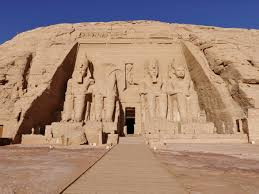
Abu Simbel is an ancient temple complex, originally cut into a solid rock cliff, in southern Egypt and located at the second cataract of the Nile River .The two temples which comprise the site were created during the reign of Ramesses II . The Great Temple stands (30 meters) high and (35 meters) long with four seated colossi flanking the entrance, two to each side, depicting Ramesses II on his throne . The Small Temple stands nearby at a height of (12 meters) and(28 meters) long.This temple is also adorned by colossi across the front facade, three on either side of the doorway, depicting Ramesses and his queen Nefertari (four statues of the king and two of the queen) at a height of 32 feet (10 meters). The Small Temple is also notable in that it is the second time in ancient Egyptian history that a ruler dedicated a temple to his wife
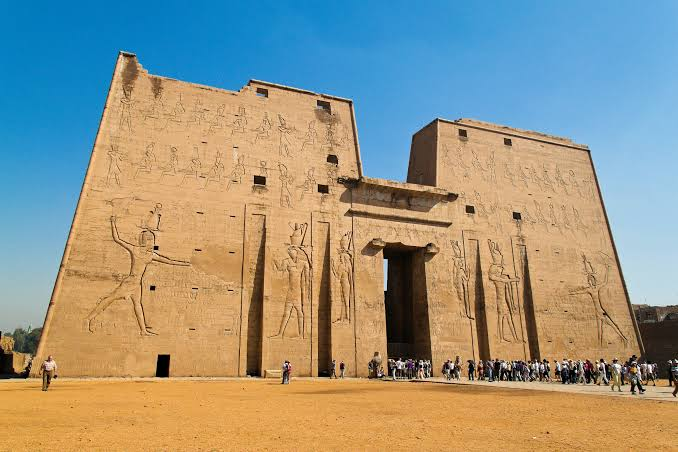
The Temple of Edfu
The Temple of Edfu is an Egyptian temple located on the west bank of the Nile in Edfu, Upper Egypt. It is one of the best preserved shrines in Egypt. The temple was built in the Ptolemaic Kingdom between 237 and 57 BC. The inscriptions on its walls provide important information on language, myth and religion during the Hellenistic period in Egypt. In particular, the Temple’s inscribed building texts “provide details [both] of its construction, and also preserve information about the mythical interpretation of this and all other temples as the Island of Creation. There are also “important scenes and inscriptions of the Sacred Drama which related the age-old conflict between Horus and Seth.
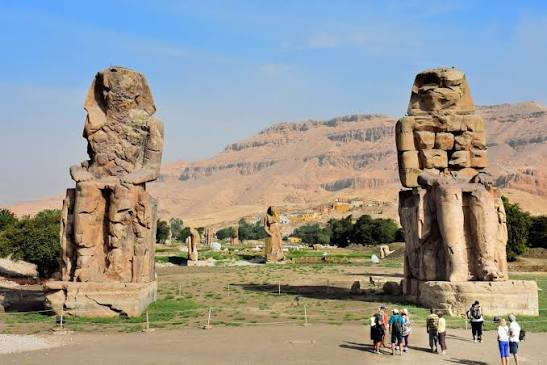
The Colossi of Memnon
The Colossi of Memnon are two massive stone statues of the Pharaoh Amenhotep III, they are located west of the River Nile from the modern city of Luxor.The statues are made from blocks of quartzite sandstone which was quarried at el-Gabal el-Ahmar (near modern-day Cairo).These magnificent colossi, each cut from a single block of stone and weighing 1000 tonnes, sat at the eastern entrance to the funerary temple of Amenophis III, the largest on the west bank. These two gigantic, 59-foots tall statues are the first sight that greets visitors who take the ferry across from the East Bank.
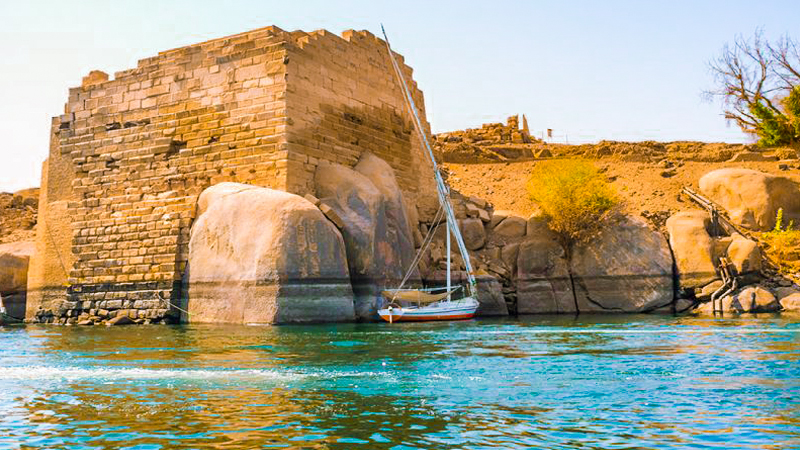
Elephantine Island
Its name meant both ‘elephant’ and ‘ivory’ in ancient Egyptian, a reminder of the important role the island once played in the ivory trade. The island lies opposite central Aswan, just north of the First Cataract.it was the original ‘border town’ between Egypt and the Nubian lands to the south and in ancient times was an important strategic position both for the defense of the border and as a trading route. A recent building boom has changed its nature, but it remains calm and essentially rural.Elephantine Island can be reached by felucca from anywhere along the Corniche, or a motor boat from a landing near the telephone office. There is a private ferry which goes to the Oberoi Hotel but this lands inside the hotel enclosure.
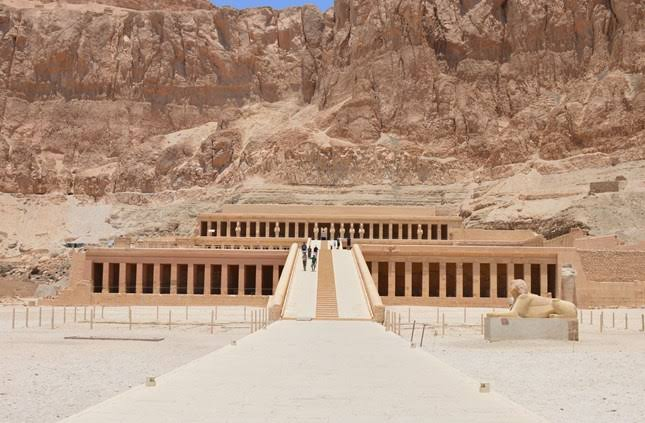
Hatshepsut Temple
It is located beneath the cliffs at Deir el-Bahari on the west bank of the Nile near the Valley of the Kings.it is dedicated to Amon-Ra, the sun god. Designed by an architect named Senemut, the temple is unique because it was designed like classical architecture Hatshepsut’s temple is one of the world’s most striking architectural masterpieces. Stepped platforms, pillared porticoes, and vibrant reliefs set against the desert backdrop make it one of the world’s most striking architectural masterpieces.Temple reliefs depict the tale of the divine birth of Hatshepsut and trade expeditions to the Land of Punt
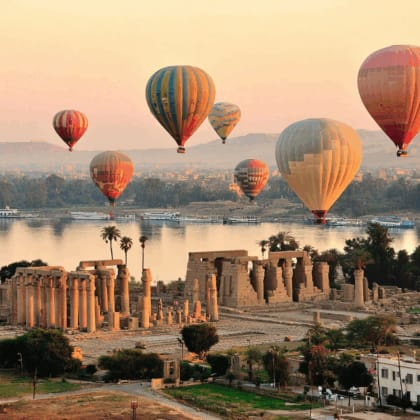
Hot air balloon
Hot air ballooning in Luxor is an aspect of the Egyptian tourist industry. Tour companies offer rides in hot air balloons to tourists who enjoy views of ancient Thebes, the temple complexes of Karnak and Luxor, the Valley of the Kings and the Valley of the Queens.enjoy the splendors of the ancient historical sights of Luxor from the air. See this spectacular landscape from the unique viewpoint that only hot air ballooning can provide. Glide majestically over the temples and burial grounds of the Pharaohs and allow history to come to life before your eyes
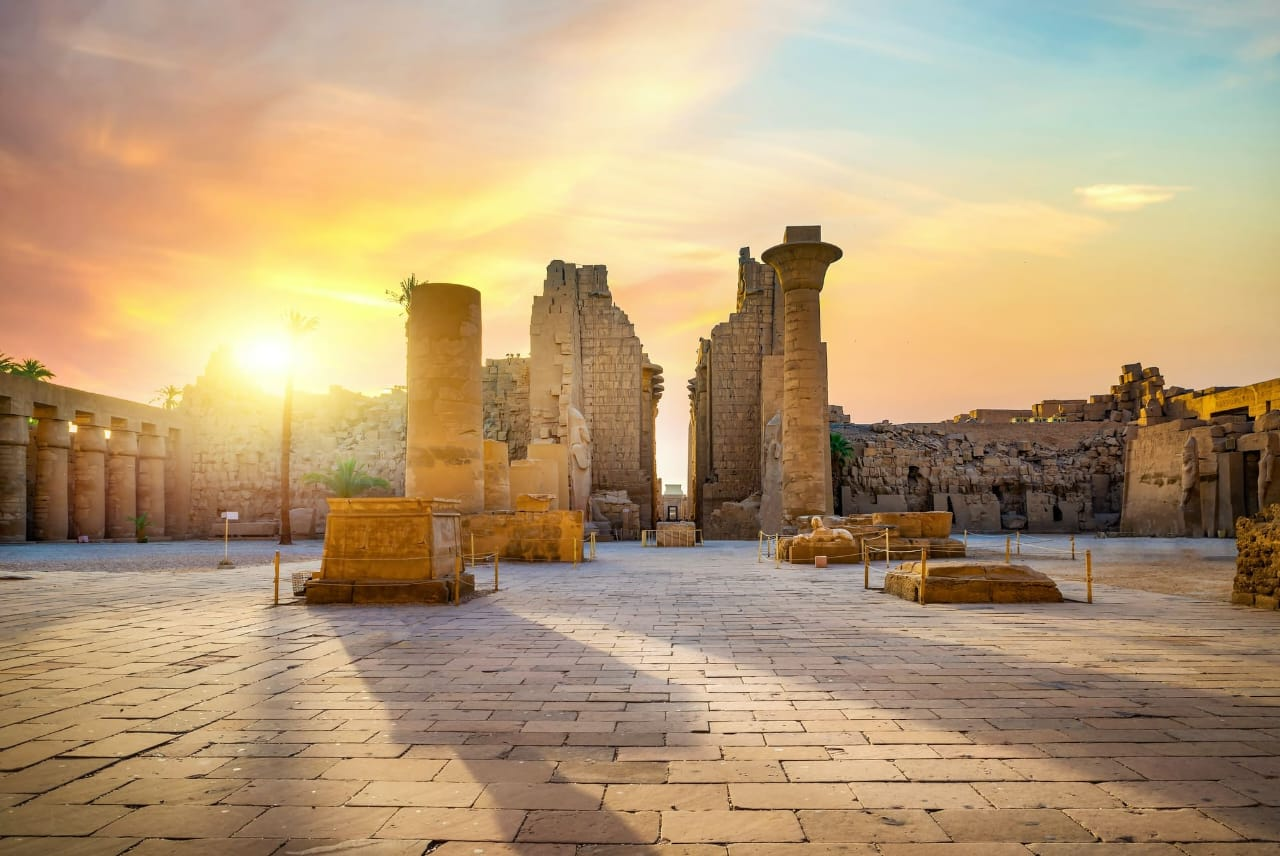
Karnak Temple
Karnak is an ancient Egyptian temple precinct located on the east bank of the Nile River in Thebes (modern-day Luxor). The Ancient complex covers a total area of 2 sq. Km. it was developed over more than 1,000 years. The most significant structure, and the largest religious building ever built, is the Temple of Amun-Ra, considered to be where that god lived on earth with his wife, Mut, and son, Khonsu, who also have temples at the site.The Karnak Temple Complex is home to three main temples, several smaller enclosed temples, and a number of outer temples – combining the achievements of many generations of ancient builders over a period of 1500 years. today, there are still many features to Karnak that make it one of the largest and most impressive of all ancient sites in Egypt.
Kom ombo temple
The Temple of Kom Ombo is an unusual double temple in the town of Kom Ombo in Aswan , Upper Egypt. It was constructed during the Ptolemaic dynasty, 180–47 BC. Some additions to it were later made during the Roman period. The building is unique because its ‘double’ design meant that there were courts, halls, sanctuaries and rooms duplicated for two sets of gods. The southern half of the temple was dedicated to the crocodile god Sobek,Meanwhile, the northern part of the temple was dedicated to the falcon god Haroeris. The temple is atypical because everything is perfectly symmetrical along the main axis.
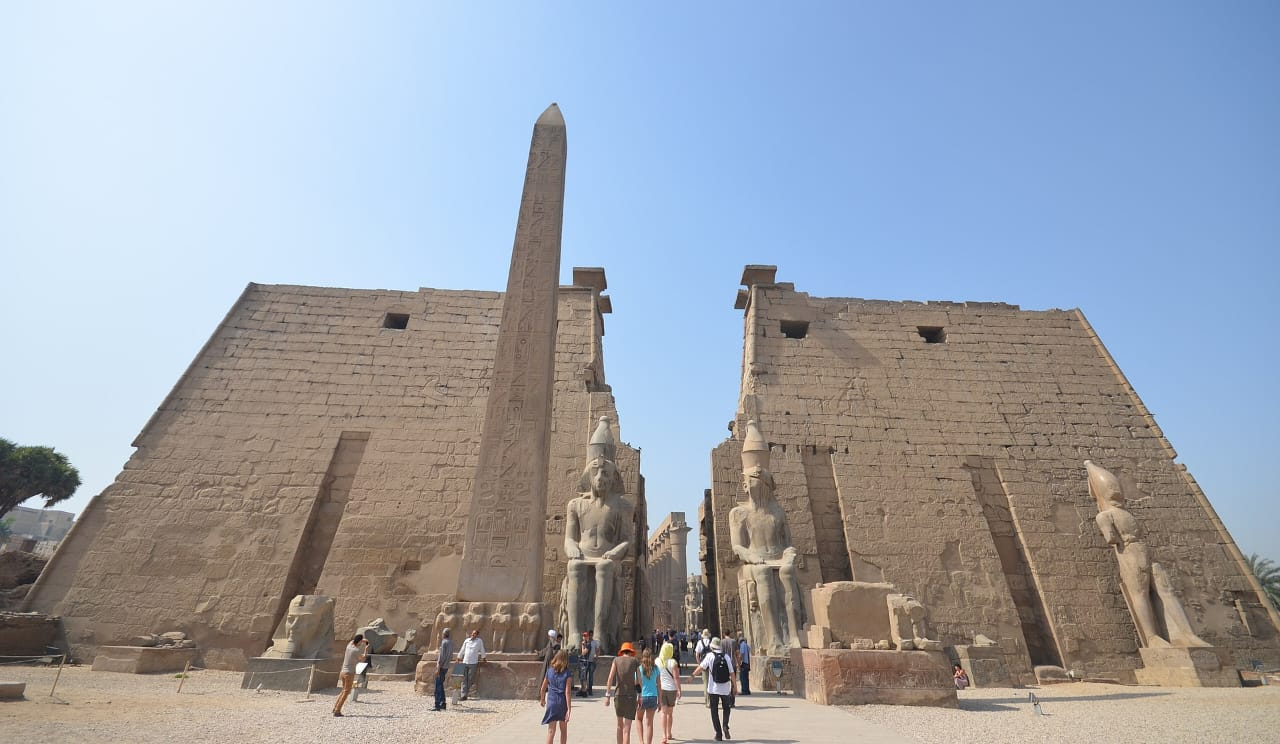
Luxor Temple
It is a large Ancient Egyptian temple complex located on the east bank of the Nile River in the city. Luxor Temple was the largest and most significant religious center in ancient Egypt.The temple is dedicated to Amun, Mut, and Khonsu and was the focus of one of the most important religious festivals in ancient Egypt.Many pharaohs played a part in building this temple over the years including Tutankhamen, Hatshepsut, Ramses II, and Amenhotep III; as you walk through the temple you can see the contributions of each one usually where you find statues and images of them carved in the walls. The temple of Luxor is incredibly rich with the chronicles of the past.
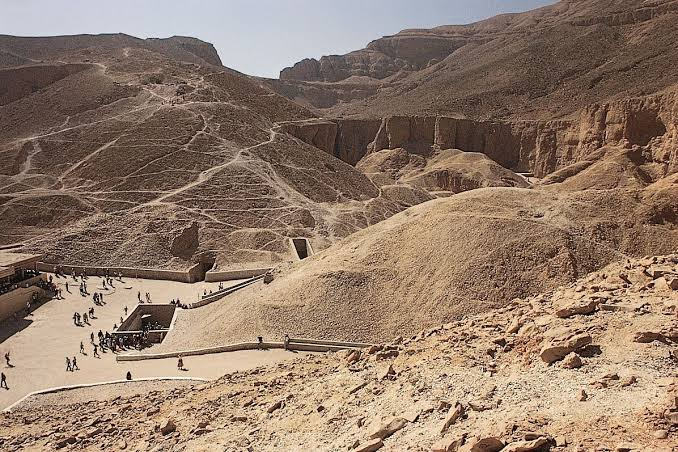
Valley of Kings
It is a rock cut tombs were excavated for the pharaohs and powerful nobles of the New Kingdom .The valley stands on the west bank of the Nile, opposite Thebes (modern Luxor). the valley is known to contain 63 tombs and chambers. It was the principal burial place of the major royal figures of the Egyptian New Kingdom, as well as a number of privileged nobles. The royal tombs are decorated with scenes from Egyptian mythology and give clues as to the beliefs and funerary rituals of the period.
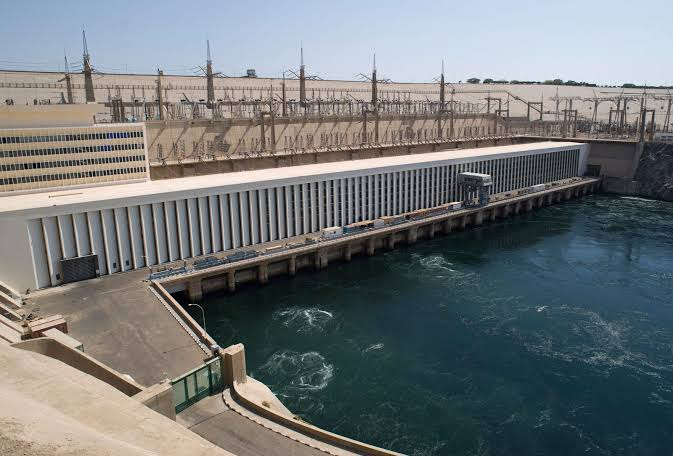
The High Dam
Rock fill dam across the Nile River.it is Located 13 km south of Aswan, Egypt, completed in 1970 .The dam,(111 meters) high, with a crest length of (3,830 meters).An array of rocks, cement, and metals creates the reservoir of the dam measuring 550km in length and 35km in width. With its surface area of 5,250 square kilometers, elevation of 183m, and depth of 185m, the reservoir has a storage capacity of 132 cubic kilometers.The dam consists of 180 sluice gates to regulate the flow of water to achieve flood control. It also has 12 Francis turbines, with an installed capacity of 2,100MW to supply electricity for industrial and household use.The dam’s construction required some 44 million cubic meters of building materials and a workforce of about 34,000 people.The High dam provides irrigation water and electricity for the whole of Egypt
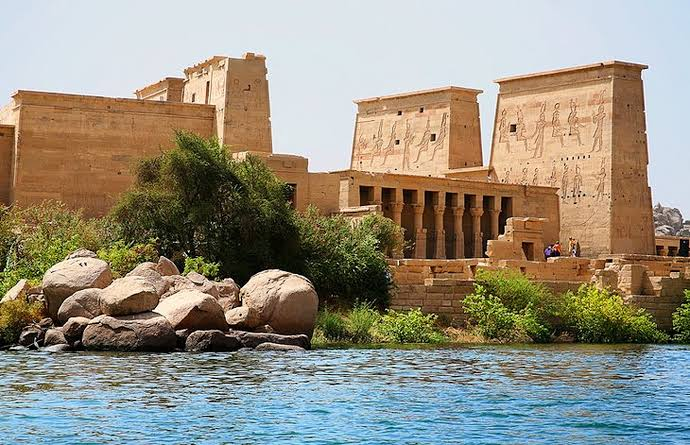
Phaile temple
the Temples of Philae, 12 kilometers south of Aswan.The Temple of Isis is one of the greatest Temples in Egypt and it occupies about a quarter of the island. It is also the temple’s main island with its huge, complete, pylons and beautiful scenes.The Temple is built in the same style as the Temples of the New Kingdom, as well as some other elements, which appeared in the Greco-Roman period, such as the Mamisi and a Nilometer.The Temple of Isis consists of the 1st Pylon, which is a great traditional pylon with two towers, and an open forecourt, which leads to the 2nd pylon.it was Saved from a watery grave by UNESCO’s rescue project, which transferred the monuments block by block from Philae Island to Agilika Island.
Ra Nile Cruise
Ra Nile Cruise is one of the most elite Nile cruise ships in Egypt, offering luxury travel between Luxor and Aswan.
Explore
Contact Us
Site is powered by Tavel In
